Baby hair color predictor: what parent photos can tell you
No baby hair color predictor can promise your child's hair color. Hair color depends on two kinds of melanin and on many genes, with MC1R the best studied. Hair also changes with age, since blond children often darken by their teens. Our tool draws one possible mix of both parents' hair, for fun.
By The Cradlepeek team (Product and testing). Last updated .
Parent 1
A clear photo, one face, looking at the camera
Parent 2
Optional: leave it empty for a one parent portrait
JPG, PNG or WebP, up to 12 MB each.
We delete both photos as soon as the portrait is made. Only upload photos of yourself and of a partner who agreed to it. The result is an imagined likeness for fun, not a genetic prediction.
How to see a baby hair color mix from two photos, step by step
First, upload one clear photo of each parent with the hair in view.
Then skip hats, hoods and strong color filters.
Next, pick an age. Older ages show more hair than a newborn.
After that, make a few previews and compare the hair in each.
Finally, read the spread as a range of looks, not a forecast.
The first 2 previews each day are free. After that, see the pricing page for packs and plans, or read how we test the tool.
Baby hair color predictor tested with real photo files
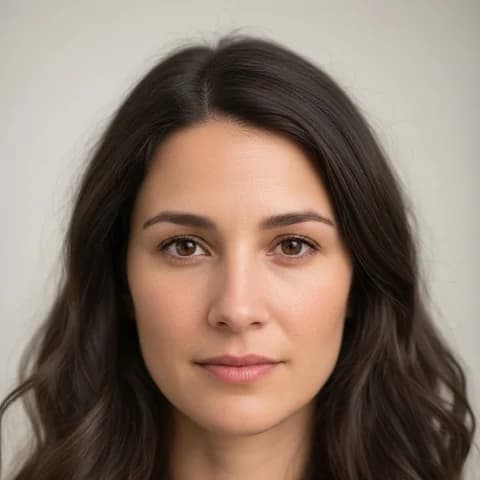
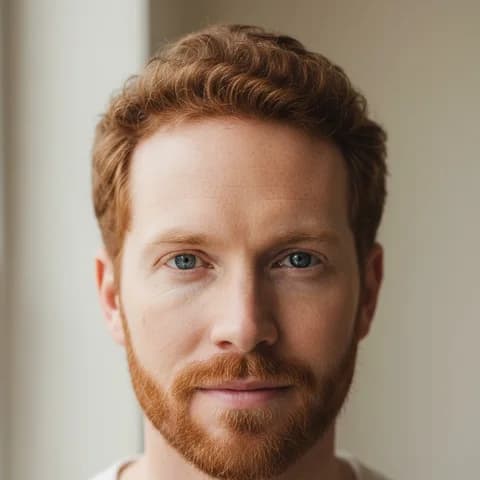
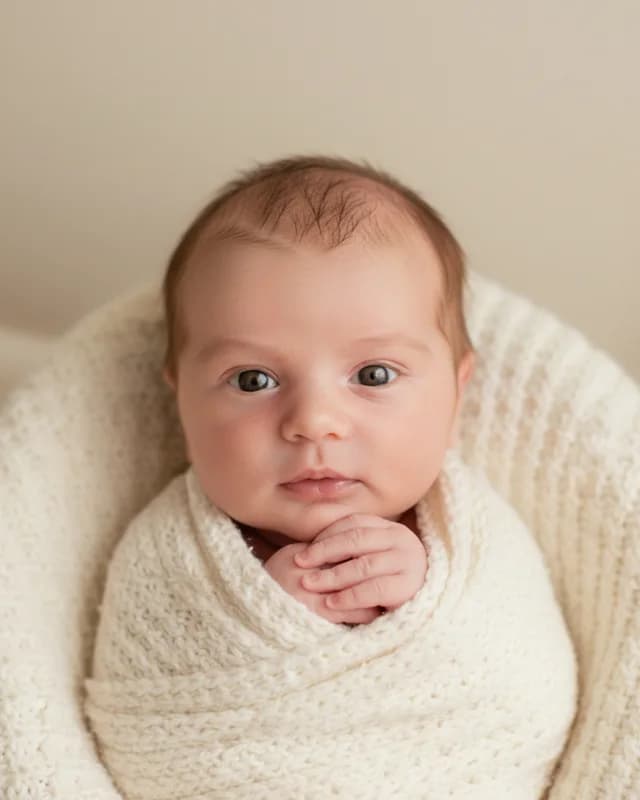
We sent our own test photos through the same prompt this page uses. The parents are illustrative: an image model made those photos, so they show no real people. Below, the parents sit on the left and the child on the right, so you can judge the likeness yourself.
- Test photos
- Two illustrative parent photos (couple 1)
- Result
- Child at newborn
- Age
- Newborn
- Gender
- Surprise me
- Parent photos
- 2
- HD file
- 2048 x 2560 px JPG
- Print size at 256 dpi
- 8 x 10 in
- Free preview
- 1024 x 1280 px, watermarked
- Made by
- gemini-2.5-flash-image
- Prompt
- 164 words
- HD file size
- 675 KB
How we test: every age and option gets the same test parents, and we compare each child with both photos by hand. More on the about page.
How hair color works, in plain words
Hair color comes from melanin, and there are two kinds. According to MedlinePlus, a lot of eumelanin gives black or brown hair. Very little eumelanin gives blond hair, while mostly pheomelanin gives red hair.
Many genes set the type and amount, although little is known about most of them. The best studied one is MC1R. When its receptor is active, cells make eumelanin. When it is blocked or switched off, they make pheomelanin instead.
Most people have two working copies of MC1R, one from each parent, and they have black or brown hair. In fact, MedlinePlus estimates that more than 90 percent of people worldwide have brown or black hair. Changes in one copy can give strawberry blond, auburn or red hair, and changes in both copies give very red hair.
Why a baby hair color predictor cannot be sure
A photo shows the parents' hair today. However, it does not show which gene variants each of them carries. Each parent passes on only one copy of each gene, and nobody can see which copy from a face.
On top of that, MedlinePlus lists more than 20 other genes that shape the shade. Some of them also affect eye and skin color. Since their exact role in hair is unknown, no simple chart can add them up.
Hair also changes over time. Blond haired children often have darker hair by the time they are teens, especially in people of European descent. So even a right guess for a toddler can be wrong for the same child at 15.
What our baby hair color test showed
We tested with two illustrative parents from an image model, so they show no real people. The mom has long wavy dark brown hair. Meanwhile, the dad has short curly red hair and a red beard.
As a newborn with Surprise me, the baby came back with thin, fine brown hair and no clear red tint. The baby lies wrapped in a cream knitted blanket, with dark eyes and tiny hands under the chin. Overall, this one leans toward the mom.
Other runs with the same couple went the other way. One twin had bright red curls, and our 13 year old had wavy auburn hair. That spread is the honest answer: one couple, many possible shades.
Using a baby hair color predictor for fun
First, give the model clear hair to read. Hats, wet hair, dye and filters all change what it copies. If a parent dyes their hair, a photo with the natural color tells a fairer story.
Second, make more than one preview. If red, auburn and brown all show up, that matches how open the question really is.
Finally, look at old family photos. Grandparents with red or blond hair hint at gene variants in the family that the parents' photos cannot show.
Hair color and melanin
| Hair color | What MedlinePlus links it to |
|---|---|
| Black | A large amount of eumelanin |
| Brown | A moderate amount of eumelanin |
| Blond | Very little eumelanin |
| Red | Mostly pheomelanin with a little eumelanin |
| Strawberry blond or auburn | Changes in one copy of MC1R, often |
| Very red | Changes in both copies of MC1R |
| Blond in childhood | Often darker by the teens |
| Our newborn test | Thin brown hair, closer to the mom |
Baby hair color predictor FAQ
Is there an accurate baby hair color predictor?
Not an exact one. Hair color depends on many genes, and a photo of the parents cannot show which variants they pass on. Family history gives you hints at best.
Will my baby have the same hair color as me?
Maybe, but not for sure. Hair color depends on many genes from both parents, and a photo only shows the result in your own hair. Hair can also darken as a child grows.
Will my blond baby stay blond?
Not always. According to MedlinePlus, blond haired children often have darker hair by the time they are teens.
Does the baby hair color predictor here use genes?
No. It looks at two parent photos and draws one possible mix. It never sees genes, so each run may show a different shade.
What gene causes red hair?
MC1R is the best studied one. When it does not work, cells make pheomelanin, the pigment behind red hair, instead of eumelanin.
Why did my preview show a different hair color than last time?
Each preview is a new portrait. So the model can pick red one time and brown the next, which mirrors how open the real answer is.